Source-to-material match
Diode, CO2, infrared, and UV sources interact with different substrates. Confirm absorption behavior and coating response on the actual material batch.
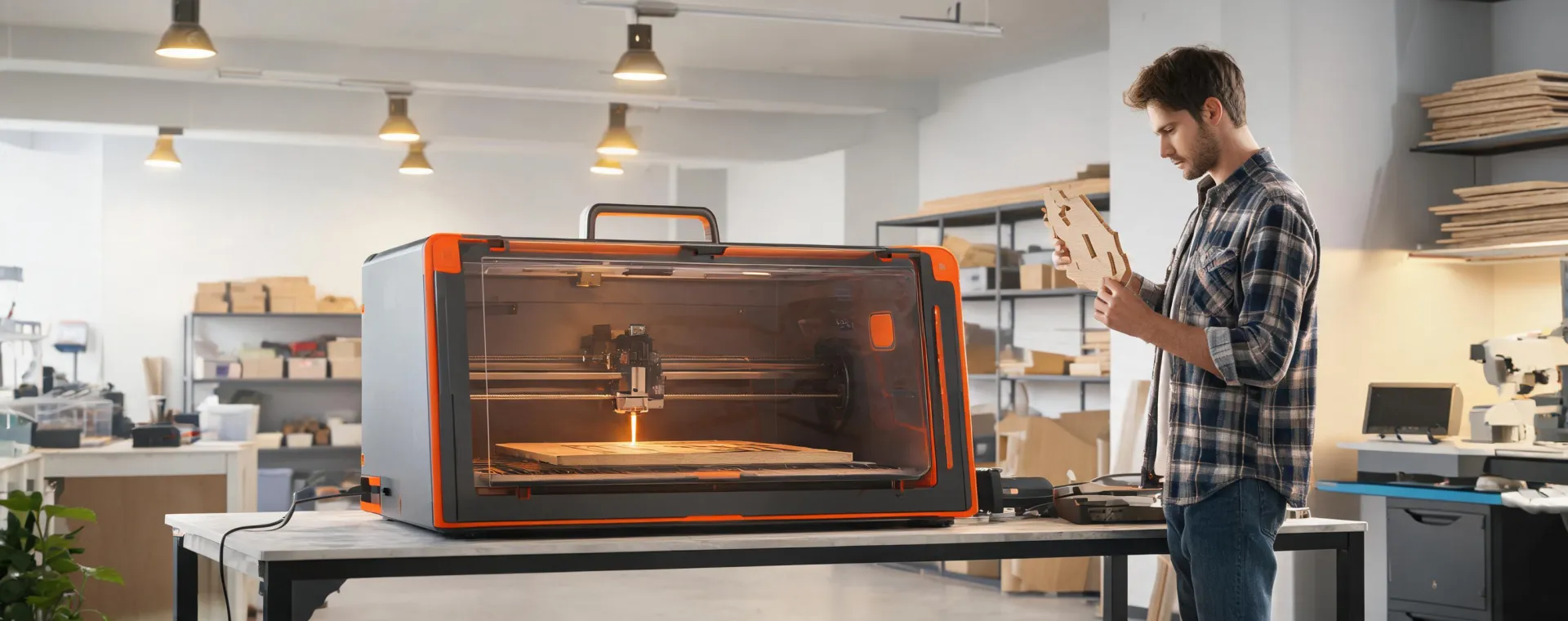
FROM FIRST SKETCH TO REPEATABLE OUTPUT
Move from engraving experiments to organized small-batch production with a workflow that starts at the material, not the marketing claim.
WORKFLOW FIRST
Machine labels alone do not settle process fit. The useful questions are beam source, usable work area, extraction path, and how the result will be inspected.
Diode, CO2, infrared, and UV sources interact with different substrates. Confirm absorption behavior and coating response on the actual material batch.
Flatness, focal position, and repeatable origin matter when a prototype becomes a fixture-based run.
Extraction, air assist, and cleaning steps affect edge color, lens condition, and the surrounding workspace.
Record speed, power, passes, focus, and inspection criteria on a signed sample before scaling output.
COMPARE BY PROCESS
These are selection dimensions, not universal performance promises. Current model documentation and material trials remain the controlling evidence.
| Check first | Material family, thickness, bed size, enclosure, and exhaust route |
|---|---|
| Trial record | Power, speed, pass count, air assist, focus position, edge condition |
| Boundary | Reflective, chlorine-bearing, unknown, or heat-sensitive materials need separate approval |
| Check first | Surface chemistry, desired contrast, mark depth, and feature size |
|---|---|
| Trial record | Source type, frequency if available, hatch spacing, passes, visual inspection light |
| Boundary | A dark mark, ablation, and color change are different outcomes and should not share one recipe |
| Check first | Alloy, joint geometry, gap, shielding method, and operator qualification |
|---|---|
| Trial record | Fit-up, travel speed, wire use, shielding flow, cross-section or bend inspection |
| Boundary | Joining suitability cannot be inferred from cutting or engraving performance |
WHERE MAKING HAPPENS
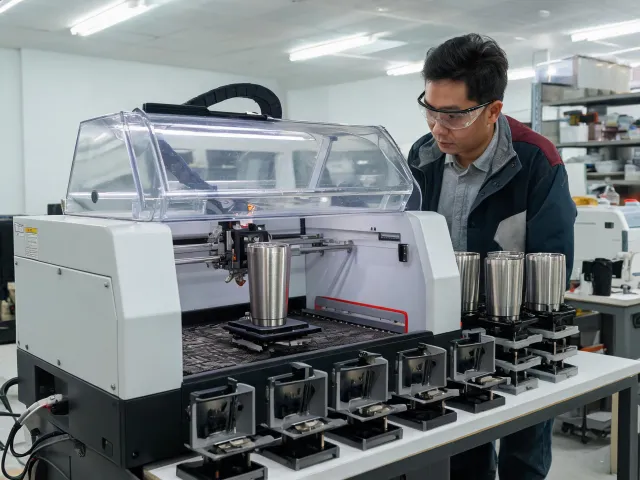
Fixture repeatability and batch identification shape the real throughput.
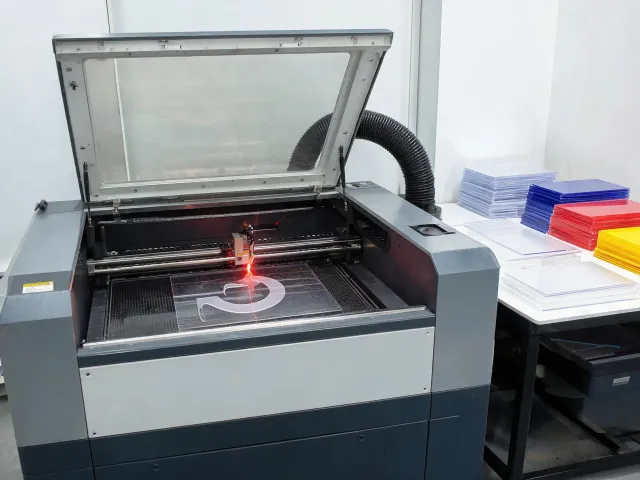
Edge quality, masking, fumes, and sheet nesting need one documented route.
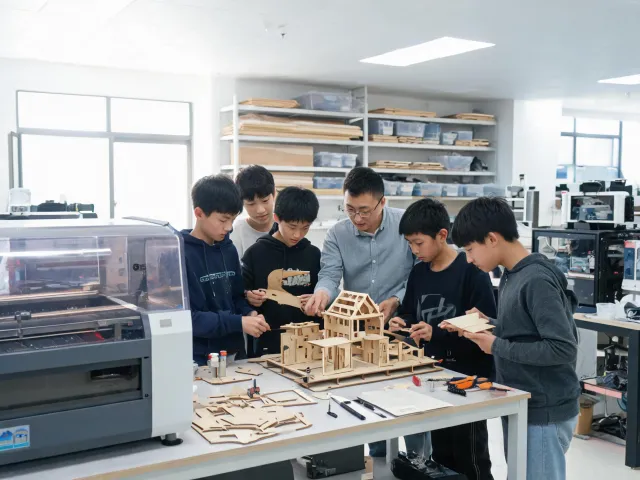
Access control, material approval, and clear operating steps come before speed.
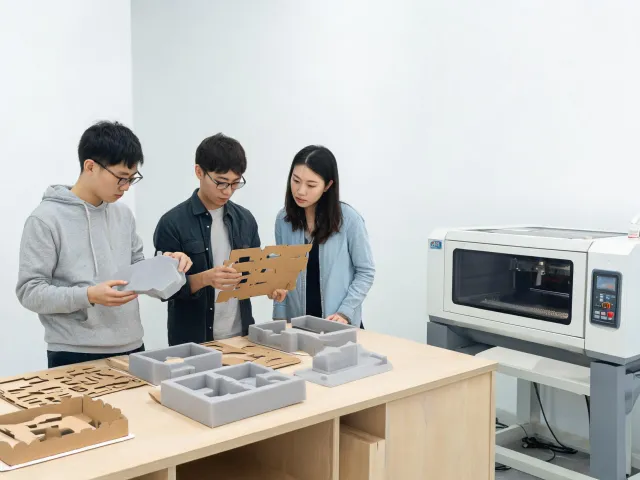
Fast iteration is useful only when each recipe remains traceable.
BRING A REAL WORKPIECE
Send the substrate, thickness, finished-part dimensions, quantity, and acceptance criteria. The response can then focus on process fit and the evidence still needed.